

I’ve watched the ocean cleanup industry mature from idealistic concepts into genuine business opportunities. Companies are now building profitable operations around marine debris removal — it’s taken longer than many expected, but the economics finally make sense. What surprises me most is how platforms like 1xbet online have begun incorporating environmental achievement betting markets, allowing wagers on cleanup milestones and marine restoration success rates. It sounds unusual, but it’s creating additional funding streams for these operations.
Revenue Models and Commercial Viability
The business models vary significantly across companies, and frankly, some work better than others. Ocean cleanup business models show how different approaches generate income from what was once considered purely charitable work.
Current revenue streams include:
- Direct service contracts with shipping companies and ports
- Recovered material sales including plastics, metals, and rare earth elements
- Carbon credit generation through documented waste prevention
- Government contracts for coastal protection and cleanup operations
- Corporate sponsorship deals tied to sustainability commitments
The recovered materials market has become more sophisticated than most people realize. High-grade plastics from ocean cleanup can sell for $800-1,200 per ton when properly processed. Metals recovered from marine debris — particularly aluminum and copper — often exceed land-based recycling prices due to their unique composition.
Carbon credit programs provide steady income for documented cleanup operations. Companies earn credits for preventing waste from reaching the ocean and for removing existing debris. These credits trade at $15-25 per ton of CO2 equivalent, depending on verification standards.
What’s interesting is how the economics shift based on location. Cleanup operations near major shipping routes prove more profitable than remote ocean work. The debris density is higher, and logistics costs are lower. Companies have learned to focus their efforts strategically rather than attempting comprehensive ocean coverage.
Technology Development and Investment Patterns
The technology side has seen substantial improvements, though progress hasn’t been uniform across all approaches. Marine cleanup technology patents reveal where the real innovation is happening — and where it isn’t.
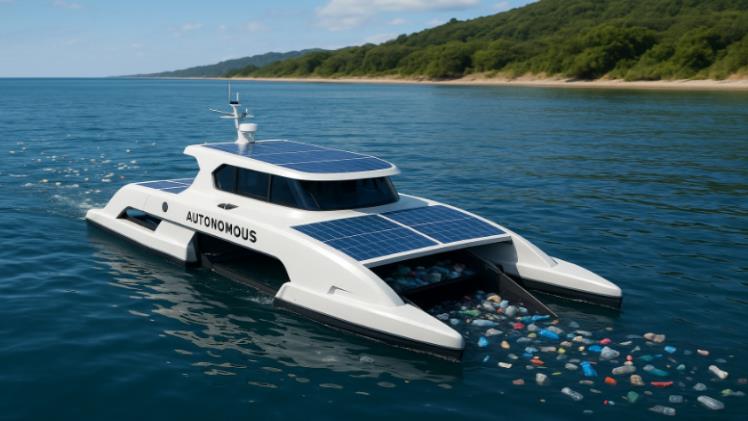
Large-scale systems like The Ocean Cleanup’s barrier arrays grab headlines, but smaller, more targeted technologies often prove more economically viable. Autonomous collection vessels, for instance, can operate continuously with minimal human oversight. These systems collect 2-3 tons of debris per day at operating costs around $150 per ton.
Microplastic extraction remains the holy grail of ocean cleanup technology. Current systems can remove particles down to 1mm in size, but anything smaller requires energy-intensive filtration that makes the economics challenging. Companies are working on selective extraction methods that target specific plastic types while leaving marine life undisturbed.
Investment patterns show a clear preference for proven technologies over speculative approaches. Venture capital funding for ocean cleanup startups reached $340 million in 2023, but most went to companies with demonstrated collection rates and clear revenue models.
Market Expansion and Future Opportunities
The market is expanding beyond simple debris removal into comprehensive marine restoration services. Companies now offer integrated packages that include cleanup, monitoring, and prevention services. This shift toward longer-term contracts provides more stable revenue streams.
Insurance companies are becoming major clients as they recognize the connection between marine debris and coastal property damage. Cleanup operations that reduce storm surge impacts can lower insurance payouts, creating a compelling business case for preventive cleanup services.
The regulatory environment is shifting in favor of cleanup businesses. Extended producer responsibility laws in Europe and parts of Asia require manufacturers to fund ocean cleanup operations. This creates guaranteed revenue streams for cleanup companies that can meet regulatory standards.
Corporate sustainability reporting requirements are driving demand for verified cleanup services. Companies need documented environmental impact reductions for their annual reports, and ocean cleanup provides measurable results that satisfy both investors and regulators.
International shipping regulations are creating new opportunities for debris prevention services. The International Maritime Organization’s updated pollution standards require vessels to demonstrate waste management compliance, and cleanup companies are positioning themselves as compliance partners.
Regional variations in demand create interesting business opportunities. Southeast Asian markets show the highest growth potential, with debris collection rates 3-4 times higher than Atlantic operations. Companies that can navigate the regulatory complexities in these regions often achieve the best margins.
The technology continues improving, but the real story is how businesses have learned to make ocean cleanup financially sustainable. Five years ago, most operations relied on donations and grants. Today, successful companies generate 70-80% of their revenue from commercial contracts and material sales.
This transformation from charity to commerce has accelerated cleanup efforts significantly. When there’s money to be made from removing ocean debris, more debris gets removed. It’s not the most romantic way to think about environmental restoration, but it’s proving to be the most effective.

